

Table of Contents
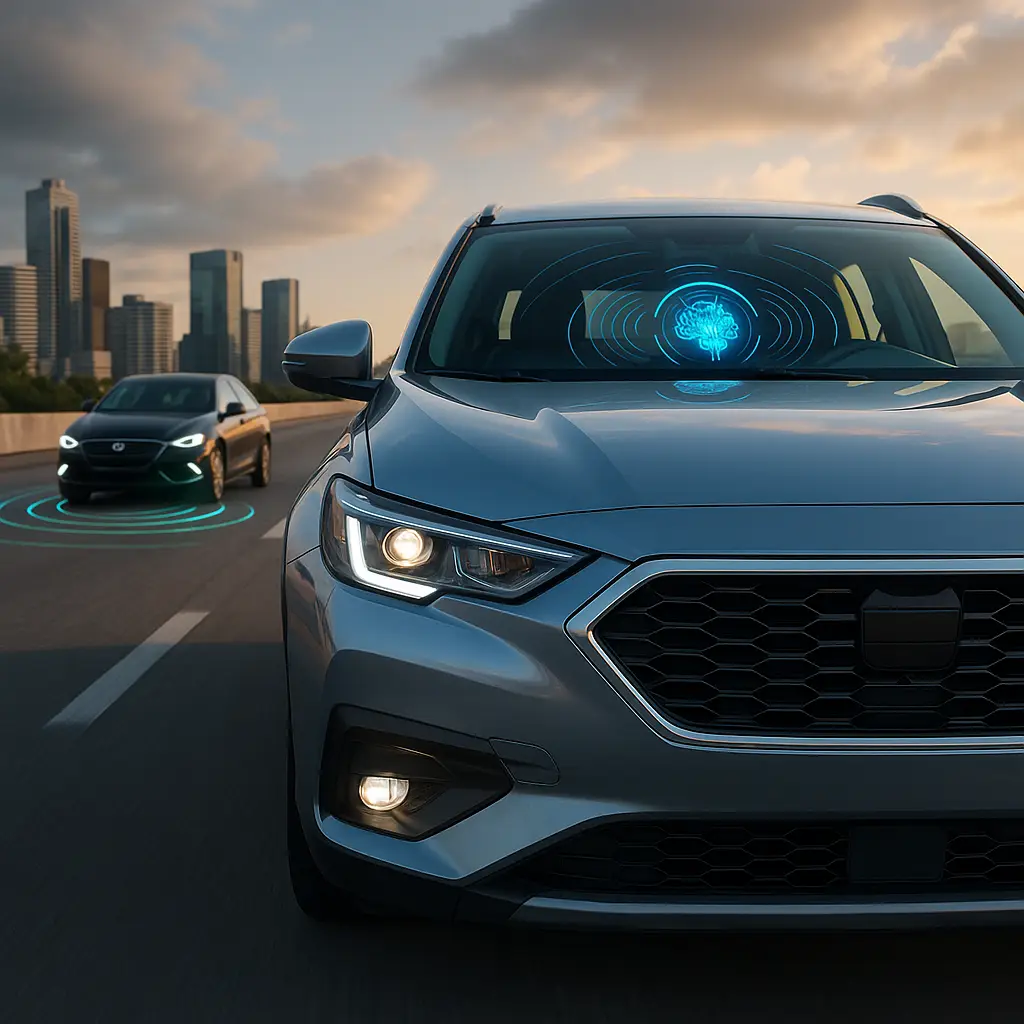
Artificial intelligence (AI) is changing how automakers help protect drivers, passengers, and people on the road. Modern Car Safety systems use cameras, radar, and other sensors to detect possible hazards, warn drivers, and sometimes brake or steer to help avoid a crash. These technologies can support safer driving, but they do not replace an attentive driver. In this guide, GK News Magazine explains how AI assisted safety features work, their benefits and limits, and what to check when buying a car.
What Is AI in Modern Car Safety?
AI in car safety means software that analyzes information from cameras and sensors to identify road users, objects, and changing traffic conditions. A vehicle might combine camera images with radar measurements to estimate whether a car ahead is slowing down. Its safety system can then warn the driver or activate a feature such as automatic emergency braking.
These features often form part of an Advanced Driver Assistance System (ADAS). Depending on the vehicle, ADAS may include:
- Automatic emergency braking
- Lane departure warnings and lane keeping assistance
- Blind spot monitoring
- Adaptive cruise control
- Pedestrian and cyclist detection
- Driver attention monitoring
Not every feature relies on AI alone. Some systems use established rules and sensor measurements, while others apply machine learning to help recognize objects or interpret complex road scenes.
How AI Improves Modern Car Safety
1. Collision Detection and Automatic Emergency Braking
Collision avoidance systems monitor the area around the vehicle. Cameras and radar can help identify vehicles, pedestrians, or other obstacles and estimate the risk of a crash. The system may first warn the driver. If a collision appears imminent and the vehicle supports the feature, automatic emergency braking (AEB) can apply the brakes.
AEB may prevent some crashes or reduce their severity, especially in situations the system can detect reliably. Performance varies by vehicle, speed, weather, lighting, and the type of obstacle. For background on crash avoidance features, read the National Highway Traffic Safety Administration’s overview of advanced technologies.
2. Lane Departure Warning and Lane Keeping Assistance
Lane systems use cameras and software to track visible road markings and the vehicle’s position. Lane departure warning alerts the driver when the car drifts from its lane without a signal. Lane keeping assistance may apply gentle steering input to help guide the car back.
Faded lane markings, road works, glare, rain, or snow can affect detection. Drivers should keep their hands ready to steer and check the road rather than assume the car will always stay in its lane.
3. Blind Spot Monitoring
Blind spot monitoring uses sensors to check areas that may be hard to see in mirrors. The car can show a warning near a side mirror or provide an alert when another vehicle occupies the blind spot during a lane change.
This feature adds helpful information, but it cannot see every situation. Check the mirrors and look over your shoulder before changing lanes.
4. Pedestrian and Cyclist Detection
Camera based systems can identify pedestrians and cyclists near a vehicle’s path. If the system detects a likely collision, it may warn the driver or support automatic braking when that function is available.
This capability is especially useful in busy streets, near crossings, and in areas where cars share space with people on foot or bicycles. Low light, blocked cameras, bad weather, and unusual movement can affect performance, so drivers must remain alert.
5. Driver Monitoring and Fatigue Alerts
Some vehicles use cabin cameras or other sensors to assess signs of driver distraction. Depending on the design, the system may monitor eye direction, head position, or driving behavior. It can issue a warning if it detects that the driver may not be paying attention.
These alerts can encourage safer habits, but they cannot guarantee that a driver is awake or fit to drive. Rest, breaks, and full attention remain essential.
6. Adaptive Cruise Control
Adaptive cruise control uses sensors to help maintain a set distance from traffic ahead. It can slow the vehicle as traffic slows and may accelerate again when the road clears. Some systems support stop and go traffic, within the limits described by the manufacturer.
Drivers must understand the system’s limits and be ready to brake. Adaptive cruise control is a driver assistance feature, not a self driving system.
7. Predictive Maintenance
Vehicle monitoring software can analyze fault codes and information from components to flag possible maintenance needs. Depending on the vehicle, onboard systems may report tire pressure problems, battery faults, or service warnings. Some newer connected services may use data analysis to identify patterns that suggest a component needs attention.
These tools can help owners act sooner, but they do not replace scheduled servicing, inspections, or the advice of a qualified technician.
Key AI Safety Technologies at a Glance
| Technology | How it helps | Important limit |
|---|---|---|
| Automatic emergency braking | May brake when a collision risk is detected | Can miss some hazards or operate differently by speed and conditions |
| Lane keeping assistance | Can help the vehicle remain within marked lanes | Needs visible markings and driver supervision |
| Blind spot monitoring | Alerts drivers to vehicles beside or behind them | Does not replace mirror and shoulder checks |
| Pedestrian detection | May warn about people in the vehicle’s path | Visibility and object movement can affect detection |
| Driver monitoring | Can warn about signs of distraction | Cannot guarantee driver alertness |
| Adaptive cruise control | Adjusts speed to help maintain distance | Requires an attentive driver who is ready to take control |
Benefits of AI in Car Safety
- Earlier warnings: Sensors can detect some hazards before a driver notices them.
- Support during emergencies: Alerts and automatic braking may help prevent a crash or reduce its impact.
- Better awareness: Blind spot and pedestrian alerts provide information that drivers may not see immediately.
- Help with routine driving: Adaptive cruise control can reduce some of the effort involved in steady traffic.
- Maintenance reminders: Vehicle monitoring can help drivers identify some issues before they become more serious.
The benefit depends on the system, vehicle design, road conditions, and driver behavior. No safety feature can remove all driving risks.
Challenges and Limitations of AI Safety Systems
Weather and road conditions
Heavy rain, fog, dust, glare, darkness, or unclear road markings can affect sensor performance. A camera may also struggle if dirt, ice, or damage blocks its view.
Missed hazards and false alerts
A system may warn when no serious threat exists, or fail to recognize an unusual obstacle. Drivers should treat alerts as assistance, continue observing traffic, and follow the vehicle manual.
Cost and availability
Safety features vary by brand, model, trim, and market. Buyers should verify the equipment on the specific vehicle rather than assume every car has the same capabilities.
Overconfidence and cybersecurity
Drivers can create danger when they trust assistance systems too much. Connected cars also need strong cybersecurity and software maintenance. Drivers should use features only as the manufacturer directs and keep their attention on the road.
The NHTSA’s information on advanced vehicle technologies provides additional context about crash avoidance features and their role in driver assistance.
What Is the Future of AI in Car Safety?
Automakers continue to improve object detection, driver monitoring, and the way vehicles combine information from different sensors. Connected vehicle technology may also let cars exchange information with nearby vehicles or road infrastructure where the required systems are available. Better pedestrian detection and improved maintenance alerts may offer further support.
These developments also raise questions about privacy, software updates, and cybersecurity. Manufacturers need to test systems thoroughly and explain their limits clearly. The goal should be dependable assistance that helps people make safer decisions, not promises that technology can eliminate every crash.
How to Choose a Car With Better Safety Features
Before buying a new or used car, compare its actual safety equipment and independent crash test results.
- Check whether the vehicle offers automatic emergency braking and pedestrian detection.
- Look for lane departure warnings, lane keeping assistance, and blind spot monitoring.
- Review crash test ratings from a recognized safety organization for the exact model and year.
- Read the owner’s manual to learn when each feature works and when it may not.
- Ask about sensor cleaning, calibration, repairs, and software updates.
- Compare features on the exact trim and market version you plan to buy.
Do not choose a vehicle only because it advertises more AI features. Prioritize verified safety performance, dependable engineering, and features that fit your driving needs.
Frequently Asked Questions
1. How does AI improve car safety?
AI and related software analyze information from cameras and sensors to help detect hazards. Depending on the vehicle, these systems can support emergency braking, lane assistance, pedestrian detection, and driver monitoring.
2. Can AI prevent all car accidents?
No. These systems may help prevent some crashes or reduce their severity, but they can miss hazards. Drivers must remain attentive and follow traffic laws.
3. What does ADAS mean?
ADAS stands for Advanced Driver Assistance Systems. The term covers features such as automatic emergency braking, lane keeping assistance, blind spot monitoring, and adaptive cruise control.
4. Are AI car safety systems reliable?
They can provide useful assistance, but performance depends on the vehicle and conditions. Drivers should understand the limits described in the owner’s manual and maintain the sensors as directed.
5. Does AI make a car fully self driving?
No. Most safety features assist the driver rather than replace them. Use them only as instructed and remain ready to control the vehicle.
6. Which safety features should I look for when buying a car?
Consider automatic emergency braking, pedestrian detection, lane assistance, and blind spot monitoring. Also review independent crash test ratings and verify the features available on the exact vehicle.
Conclusion
AI is changing how automakers support vehicle safety. Automatic braking, lane assistance, pedestrian detection, driver monitoring, and connected vehicle features can help drivers recognize certain risks and respond sooner. However, these systems have limits and work best when drivers stay alert, maintain their vehicles, and understand the technology.
For more practical information about artificial intelligence, automotive innovation, and emerging technology, follow GK News Magazine.
 Nirav Patel